


What Causes Coolant Leaks?
Your vehicle's cooling system plays an important role in maintaining proper engine temperature. Coolant circulates through the engine and radiator to absorb and release heat, helping prevent overheating. When a leak develops, coolant levels can drop, making it difficult for the system to regulate engine temperature.
Coolant leaks can happen for several reasons, including worn hoses, damaged radiators, failing water pumps, and deteriorating seals. Even a small leak can eventually lead to bigger problems if it is not addressed. Identifying the source of the leak early can help prevent engine damage and keep your vehicle running reliably.
Common Signs Your Vehicle Has a Coolant Leak
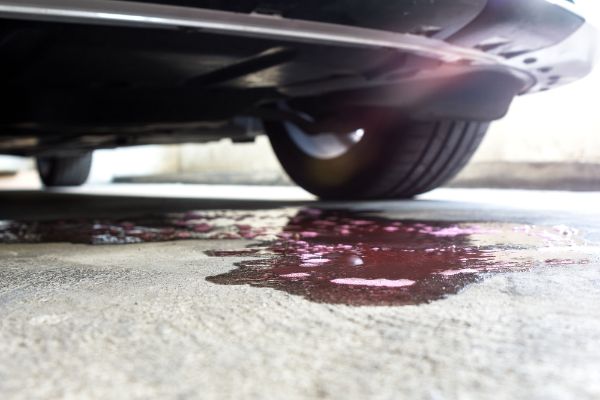
Recognizing the warning signs of a coolant leak can help you know when it is time to schedule an inspection. One of the most noticeable signs is a puddle of fluid underneath your vehicle. Coolant can come in different colors, including green, orange, pink, and yellow, depending on the type used.
You may also notice a sweet smell coming from the engine compartment, a consistently low coolant level, or visible steam coming from underneath the hood. Another warning sign is a temperature gauge that rises above its normal operating range. If your vehicle frequently overheats, a coolant leak could be contributing to the problem.
If you notice these symptoms, having your cooling system inspected can help identify the issue before it causes additional damage.
Common Components That Can Cause Coolant Leaks
Several cooling system components can develop leaks over time. Radiator hoses are a common source because they are exposed to heat, pressure, and normal wear. As rubber hoses deteriorate, they can crack, weaken, or develop small openings that allow coolant to escape.
Radiators can also develop leaks due to corrosion, physical damage, or worn connections. A failing water pump may leak coolant around its seals, while a damaged coolant reservoir or thermostat housing can also contribute to fluid loss.
In some cases, a leaking heater core can cause a sweet smell inside the cabin, foggy windows, or damp carpeting. Because several components can produce similar symptoms, proper diagnostics are important for determining the correct repair.
Why Professional Coolant Leak Repair Matters
Ignoring a coolant leak can put unnecessary stress on your engine. When coolant levels become too low, the cooling system may not be able to regulate engine temperature properly. Continued overheating can lead to serious engine damage, including a damaged head gasket or warped engine components.
Professional coolant leak repair typically begins with a cooling system inspection and pressure test to help locate the source of the leak. Once the problem is identified, the necessary component can be repaired or replaced. Technicians can also check coolant condition and verify that the system is functioning properly after the repair.
If your vehicle is overheating, stop driving when it is safe to do so and allow the engine to cool. Never remove a radiator cap while the cooling system is hot, as pressurized coolant can cause serious burns.
Schedule Your Coolant Leak Inspection
Don't let a small coolant leak turn into a major engine problem. Addressing cooling system issues early can help protect your engine, maintain reliable performance, and prevent unexpected breakdowns. If you notice low coolant levels, fluid underneath your vehicle, or signs of overheating, schedule an inspection with Brady's in Moorhead. Visit Brady's Service Center to learn more about our automotive repair services and schedule your appointment.